The Quest for the Perfectly Comfortable Backpack
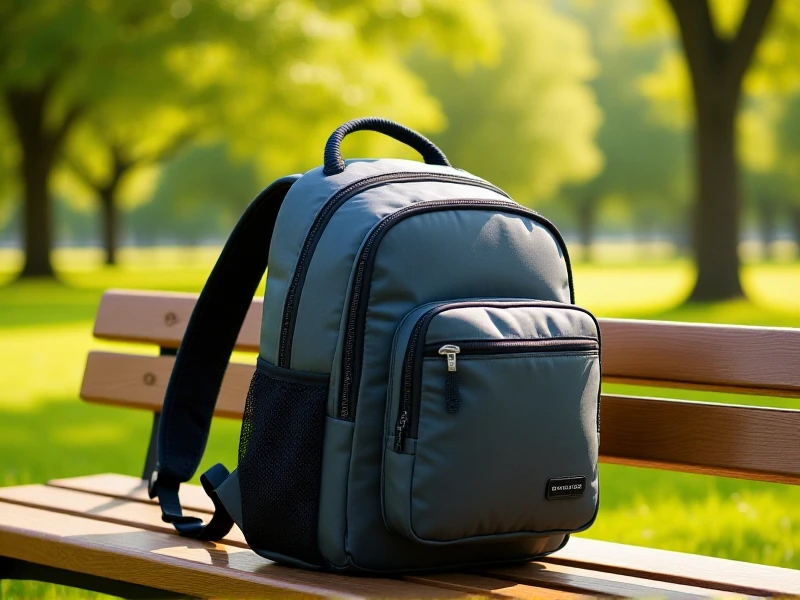
Finding a truly comfortable backpack feels like uncovering a secret weapon for daily life or epic adventures. Whether you're tackling the commute, exploring new cities, hauling books, or trekking trails, discomfort is the enemy. That nagging ache in your shoulders or strain on your back can ruin any outing. The ideal comfortable backpack goes beyond just looking good; it's about thoughtful ergonomic design meeting quality materials to provide effortless carry, no matter the load.
So, what defines a genuinely comfortable backpack? Let's break down the key features:
-
Ergonomic Suspension: The heart of comfort lies in the back panel and shoulder straps. Look for padded, contoured straps that distribute weight evenly and prevent digging. S-shaped or curved straps often follow the shoulder's natural shape more effectively than straight ones. A breathable, padded back panel enhances airflow and provides cushioning against your spine.
-
Adjustability is Key: One size doesn't fit all regarding comfort. A high-quality comfortable backpack offers multiple adjustment points. Chest straps stabilize the load and take pressure off your shoulders, crucial for heavier packs or active use. A stabilizer load-lifter strap (connecting the top of the shoulder strap to the top of the pack) brings the load closer to your body, improving balance. Ensure the shoulder straps can be easily lengthened or shortened.
-
Thoughtful Weight Distribution: How the pack carries the load is paramount. Features like a sternum strap and a well-padded, contoured hip belt transfer significant weight onto your stronger hips, drastically reducing shoulder strain – this is vital for heavier loads, travel, or hiking packs. Internal frame sheets also help distribute weight consistently. For everyday packs, ensuring weight sits high and close to your back prevents pulling.
-
Breathable Build: Comfort also means staying cool. Back panels and straps using mesh materials that promote ventilation prevent the sweaty, uncomfortable feeling common with non-breathable fabrics, especially in warmer weather or during physical activity. This makes the pack more comfortable over extended wear.
-
Quality Paddling & Materials: Soft yet supportive padding in the straps and back panel makes all the difference. Look for denser foam or sometimes memory foam layers that conform without collapsing. Durable, lightweight fabrics like nylon or polyester contribute to overall comfort by keeping the pack's own weight manageable, preventing adding unnecessary burden before you even load it up. (Some heavier materials sacrifice weight for durability).
Finding your perfect comfortable backpack depends heavily on your intended use.
- Commuting/Everyday: Focus on lighter weights, padded straps, breathable panels, and sufficient capacity without being bulky. Look for organization pockets.
- Travel/Hiking: Prioritize weight distribution systems, adjustable torso length, padded hip belts, sternum straps, and sturdy frames. Ventilation becomes even more critical.
- Student/Laptop: Ensure a padded, dedicated laptop sleeve/section and sufficient padding throughout. Organizational compartments are a big plus. Don't overlook strap comfort for carrying heavy textbooks and tech.
Investing in a well-designed, truly comfortable backpack pays dividends in reduced fatigue, better posture, and overall enjoyment of your journeys, big or small. Your body will thank you every time you slip it on, allowing you to focus on the experience, not the ache. Hitting the trails or the daily grind requires gear that supports you – find the comfortable backpack that proves it understands what your back needs.